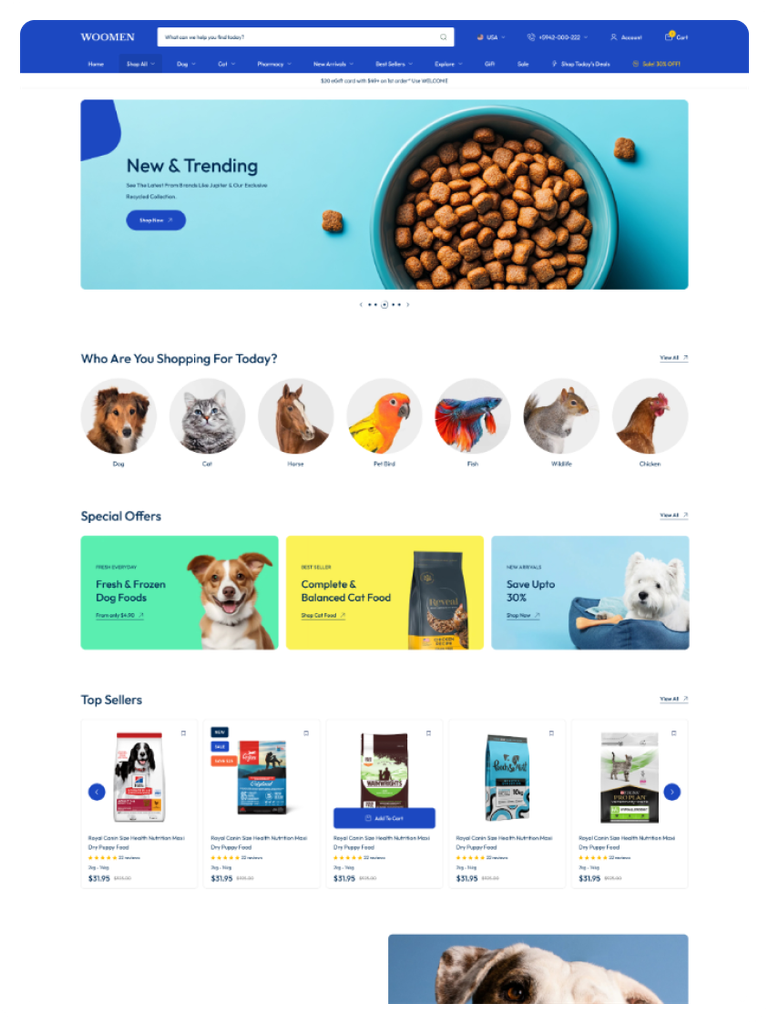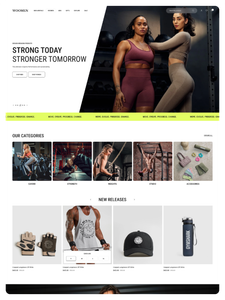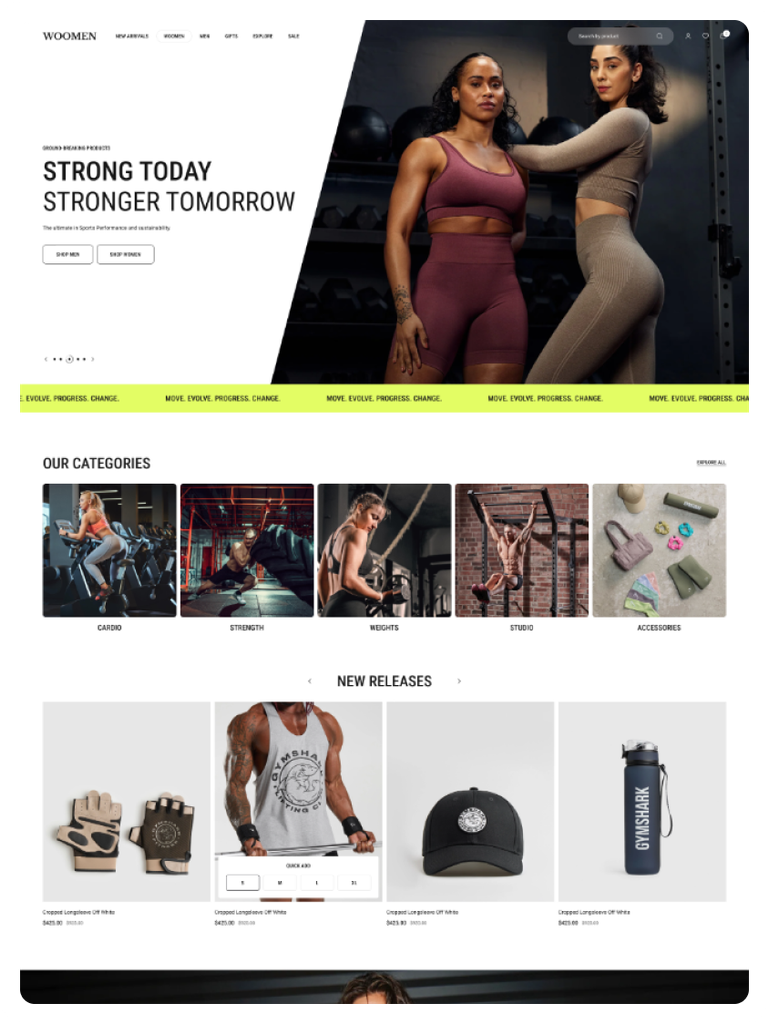
In today’s fast-paced digital marketplace, launching an online store no longer requires months of custom development or a massive budget. E-commerce website templates have revolutionized the way entrepreneurs, small businesses, and even established brands create professional online stores. These ready-made designs offer a powerful foundation that combines attractive visuals, essential functionality, and conversion-focused layouts—all while remaining flexible enough to reflect your unique brand identity.
Whether you are selling fashion, electronics, handmade crafts, digital products, or anything in between, the right e-commerce website template can dramatically accelerate your time-to-market, reduce costs, and improve the shopping experience for your customers. In this comprehensive guide, we will explore everything you need to know about e-commerce website templates: what they are, why they matter, key features to look for, how to choose the best one, customization tips, and common mistakes to avoid.
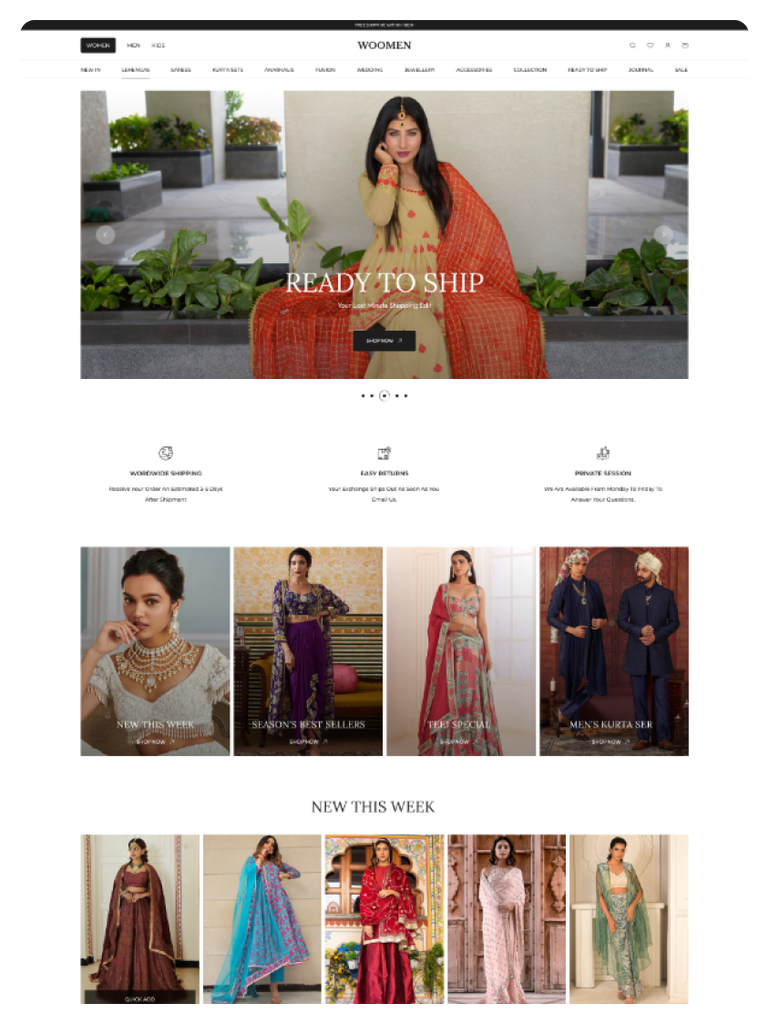
What Exactly Is an E-Commerce Website Template?
An e-commerce website template is a pre-designed website layout specifically built for online stores. Unlike generic website templates, these are optimized for product listings, shopping carts, checkout processes, inventory management, and payment gateways. Popular platforms such as Shopify, WooCommerce (WordPress), BigCommerce, Squarespace, Wix, and Magento all offer extensive libraries of e-commerce templates (often called themes).
These templates typically include:
- Homepage sections for featured products, promotions, and brand storytelling
- Product listing and category pages with filtering and sorting options
- Individual product pages with image galleries, descriptions, reviews, and add-to-cart buttons
- Shopping cart and multi-step or one-page checkout
- Mobile-responsive design that works seamlessly across devices
- Integration points for payment processors, shipping calculators, and marketing tools
The beauty of templates is that they provide a professional starting point. You don’t have to design every element from scratch. Instead, you focus on customizing colors, fonts, images, and content to match your brand while the underlying structure handles the technical heavy lifting.
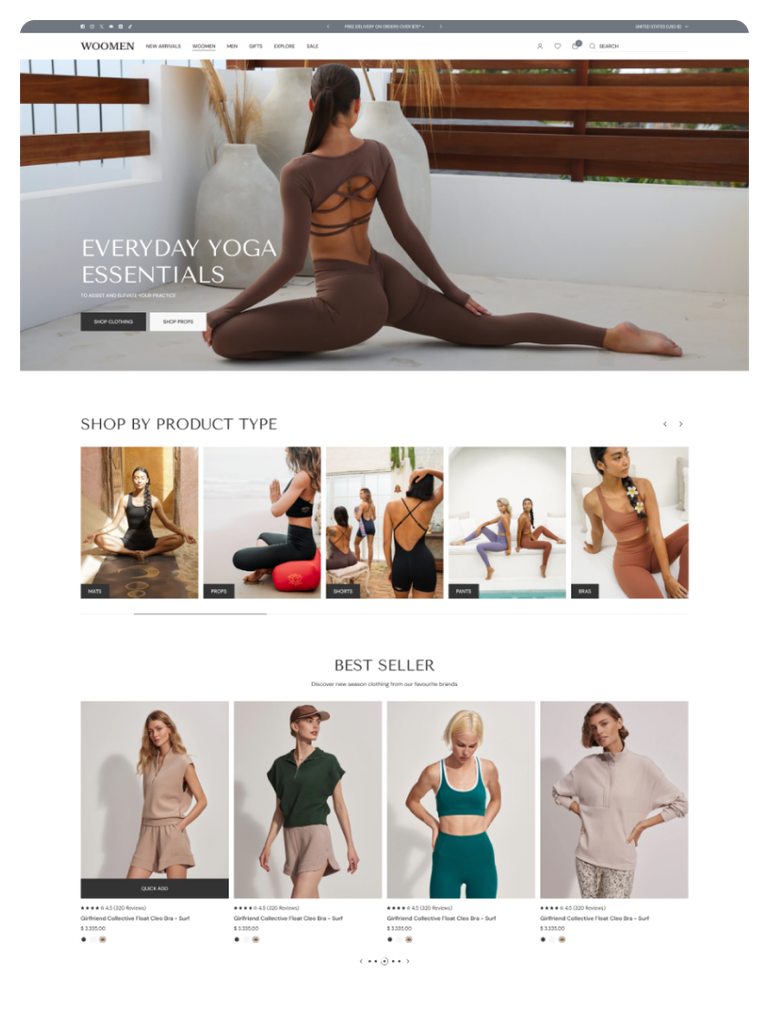
Why Use an E-Commerce Website Template?
There are several compelling reasons why thousands of successful online stores begin with a template rather than a fully custom build.
1. Speed of Launch
Building a custom e-commerce site from the ground up can take months. With a high-quality template, many store owners go from idea to live store in days or a few weeks. This speed is critical in competitive markets where timing can determine success.
2. Cost Efficiency
Hiring a full development team for a custom site often costs tens of thousands of dollars. Premium templates usually range from free to a few hundred dollars, with ongoing platform subscription fees. This makes professional-looking stores accessible even to startups and solopreneurs.
3. Built-in Best Practices
Good e-commerce templates are designed by experts who understand conversion rate optimization (CRO). They incorporate proven layouts for product pages, clear calls-to-action, trust signals (reviews, security badges), and mobile-first design principles that improve user experience and sales.
4. Regular Updates and Support
Reputable template providers and platforms continuously update their themes for security, performance, and new features. This means your store stays current without requiring constant developer intervention.
5. Scalability
Many modern templates are built to grow with your business. They support large product catalogs, multiple languages and currencies, advanced filtering, and integration with third-party apps for marketing, inventory, and analytics.
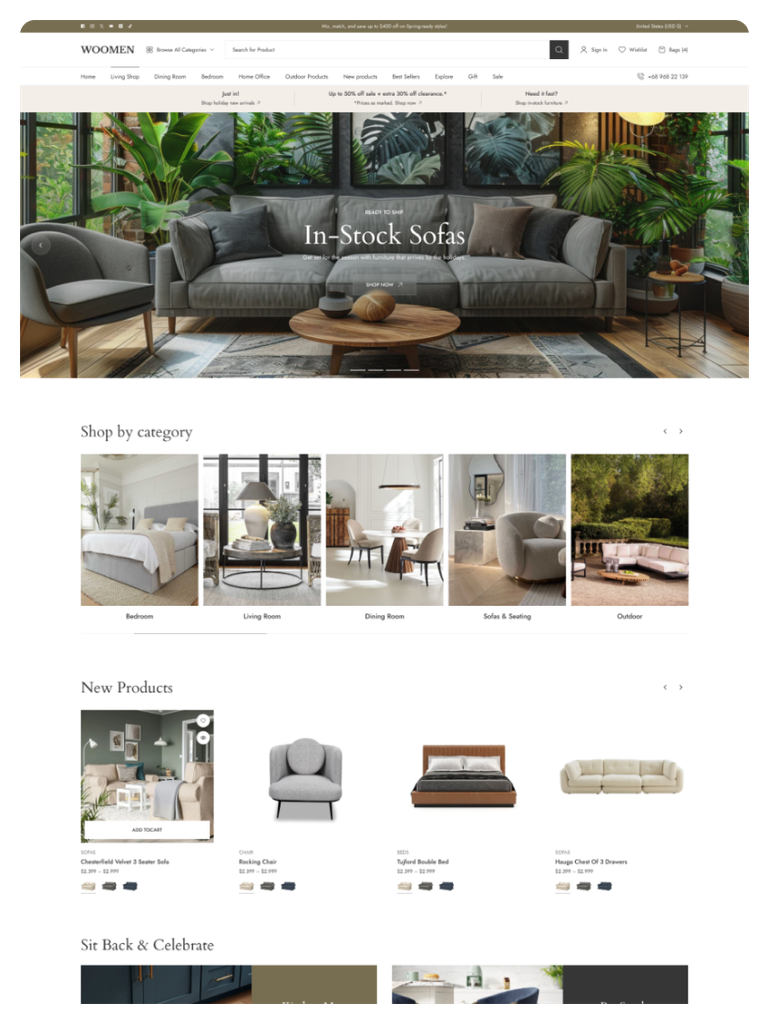
Essential Features to Look for in an E-Commerce Website Template
Not all templates are created equal. When evaluating options, prioritize these key features:
Mobile Responsiveness
More than half of online shopping happens on mobile devices. Your template must look and function perfectly on smartphones and tablets. Test product browsing, adding to cart, and checkout on multiple screen sizes.
Fast Loading Speed
Page speed directly impacts conversion rates and SEO rankings. Choose templates that are optimized for performance—lightweight code, efficient image handling, and minimal unnecessary scripts.
SEO-Friendly Structure
Look for clean HTML, proper heading hierarchy, schema markup support for products, and easy customization of meta titles and descriptions. A template that helps search engines understand your products will drive organic traffic.
Customization Flexibility
The best templates offer drag-and-drop editors or easy access to code for advanced users. You should be able to change colors, typography, layout sections, and add custom CSS without breaking the design.
Product Display Options
Strong templates support multiple product layouts (grid, list, masonry), quick view functionality, image zoom, video integration, size guides, and variant selectors (color, size, material).
Checkout Optimization
A streamlined checkout process reduces cart abandonment. Features such as guest checkout, progress indicators, multiple payment options, address auto-complete, and trust badges are highly valuable.
Integration Capabilities
Ensure the template works smoothly with popular apps and tools: email marketing platforms, social media, analytics, live chat, inventory management, and shipping providers.
Accessibility and Inclusivity
Modern templates should follow accessibility guidelines so that people with disabilities can navigate and purchase from your store easily.
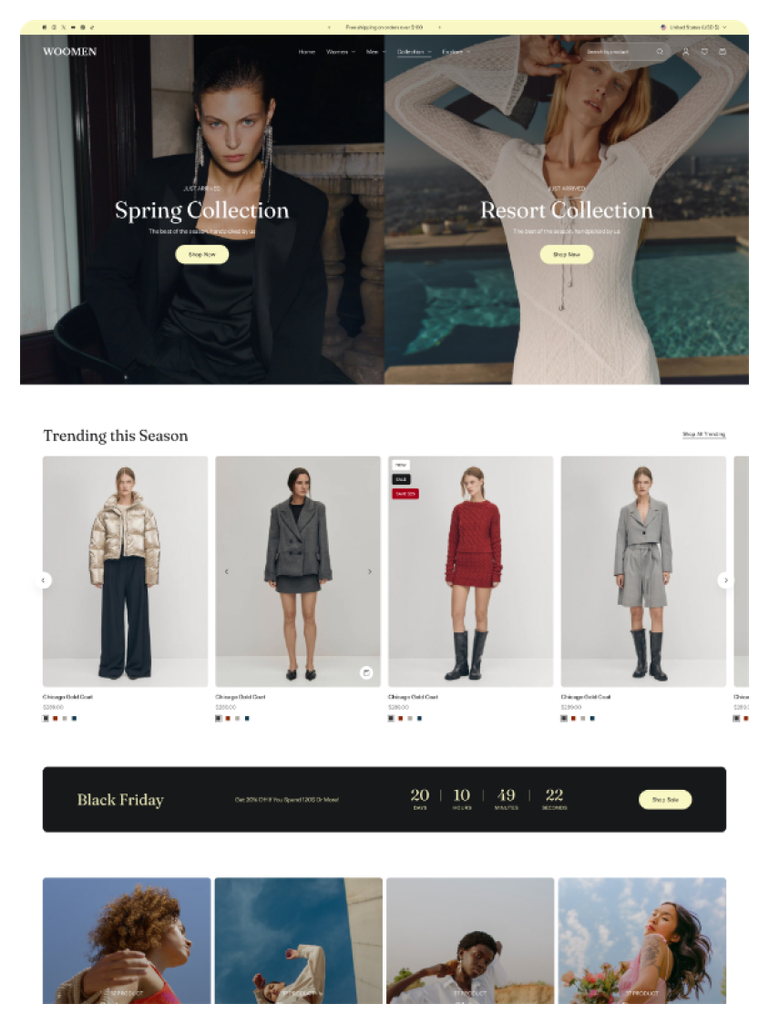
How to Choose the Right E-Commerce Template for Your Business
Selecting a template is both a practical and strategic decision. Follow these steps:
- Define Your Brand and Audience
Consider your industry, target customers, and brand personality. A luxury fashion brand needs an elegant, minimalist design, while a kids’ toy store benefits from bright colors and playful elements. - Identify Must-Have Functionality
List the features your store requires—subscription products, digital downloads, wholesale pricing, multi-vendor support, or advanced filtering. Not every template supports every feature out of the box. - Review Demo Stores Thoroughly
Most platforms provide live demos. Browse the demo as if you were a customer. Check homepage impact, product page clarity, navigation ease, and mobile experience. - Check Performance and Reviews
Look at loading speed tests, customer reviews, update frequency, and support quality. A beautiful template that is slow or poorly supported will hurt your business long-term. - Consider Future Growth
Choose a template that can scale. Will it still look good and perform well when you have 500 or 5,000 products? Can it support international expansion? - Budget Realistically
Factor in the template cost plus any required apps, custom development, and ongoing platform fees.
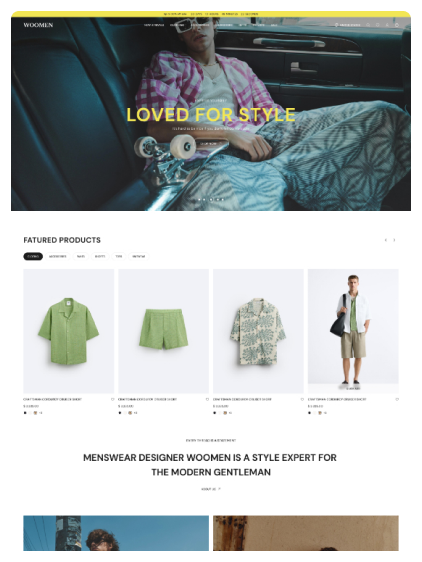
Tips for Customizing Your E-Commerce Template Successfully
Once you select a template, thoughtful customization turns a generic design into a unique brand experience:
- Start with branding: Upload your logo, set brand colors and fonts consistently across the site.
- Optimize product images: High-quality, consistent photography is one of the highest-ROI investments you can make.
- Write clear, benefit-focused product descriptions and use storytelling on the homepage and About page.
- Add trust elements early: customer reviews, security badges, clear return policies, and contact information.
- Test every step of the customer journey on multiple devices before launching.
- Use A/B testing after launch to refine layouts, button colors, and messaging.
- Keep the design clean. Avoid cluttering pages with too many competing elements.
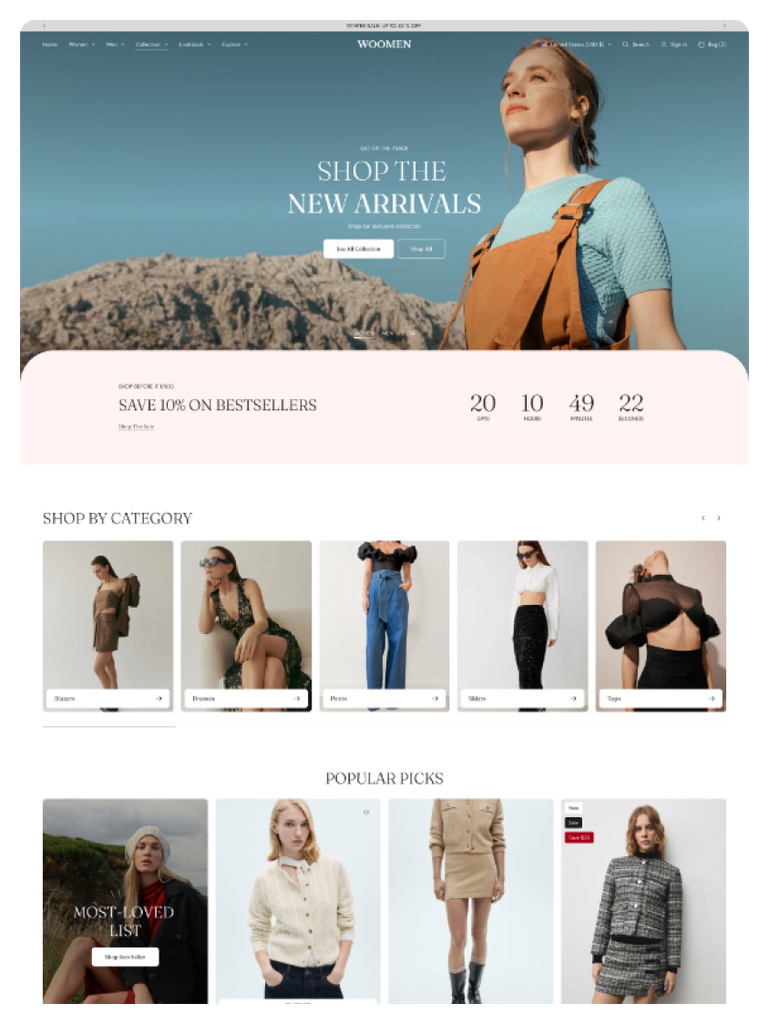
Common Mistakes to Avoid
Many new store owners fall into predictable traps:
- Choosing a template solely based on looks without testing functionality
- Over-customizing to the point of breaking mobile responsiveness or slowing the site
- Ignoring page speed and image optimization
- Using low-quality or inconsistent product photos
- Neglecting mobile checkout experience
- Failing to set up proper SEO foundations from day one
- Launching without testing the entire purchase process
Templates as a Launchpad, Not a Limitation
An e-commerce website template is not a restriction—it is a powerful launchpad. The most successful online stores treat templates as a strong foundation and then layer on excellent products, compelling branding, outstanding customer service, and continuous optimization.
By selecting a high-quality, flexible template and customizing it thoughtfully, you can create a professional, conversion-focused online store that competes with much larger brands. The barriers to entry in e-commerce have never been lower, but the importance of a well-designed, user-friendly shopping experience has never been higher.
If you are ready to start or redesign your online store, begin by exploring the template libraries of major platforms, testing demos with your products in mind, and focusing on the features that will matter most to your customers. With the right template and a clear vision, your e-commerce success story can begin much sooner than you think.
Take the first step today—choose a template that aligns with your brand, customize it with care, and open your digital doors to customers around the world.