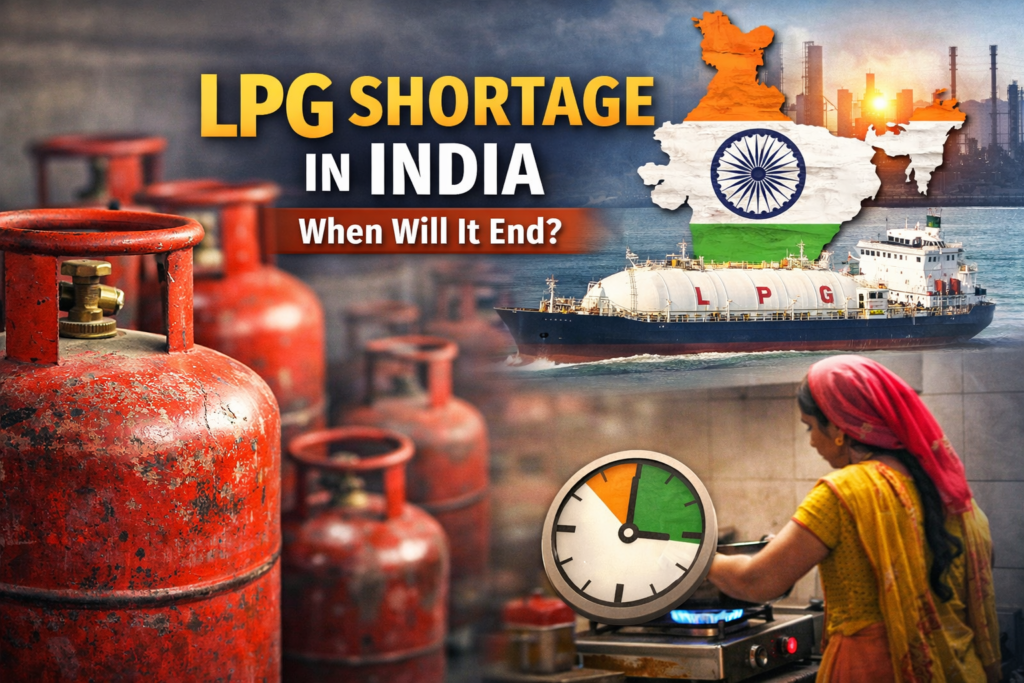
India imports more than half of its LPG, and about 80–90% of imports come from the Middle East, so any disruption in that region directly affects supply.
The shortage is mainly due to global supply disruptions caused by tensions in the Middle East, particularly conflicts affecting shipping routes like the Strait of Hormuz, through which a large portion of global oil and gas shipments pass. This has delayed LPG imports to India and affected distribution
Not exactly. The government says there is no complete nationwide shortage, but temporary supply disruptions and delays are occurring in some cities due to logistics and increased demand.
Reports suggest supply disruptions in several major cities, including:
Mumbai
Bengaluru
Chennai
Delhi
Kolkata
Restaurants, hotels, and commercial kitchens in these cities are facing the most difficulty due to shortages of commercial LPG cylinders
The government has prioritized domestic LPG cylinders for households to ensure cooking gas remains available for families.
Yes. Due to global supply issues, LPG prices have increased in India.
For example, domestic LPG cylinders saw a price increase of around ₹60, while commercial cylinders increased by about ₹115 in some regions.
The government has taken several measures, including:
Ordering oil refineries to increase LPG production
Prioritizing LPG supply for domestic households
Invoking emergency powers to regulate gas supply
Encouraging users to shift to piped natural gas (PNG) where available
These steps aim to stabilize supply and avoid a prolonged shortage.
No. Authorities have advised people not to panic book or hoard cylinders, as panic buying can worsen supply disruptions and create artificial shortages
Experts believe the shortage is temporary and depends on how quickly global supply routes stabilize and domestic production increases. Government interventions are expected to improve supply gradually.
Consumers are advised to:
Avoid panic booking or ordering multiple cylinders.
Book refills normally through their LPG provider app or local distributor.
Expect slightly longer delivery times during this period.
These steps can help prevent unnecessary pressure on the LPG distribution system.
In several cities such as Chennai and Bengaluru, the shortage is mostly due to temporary logistics and distribution delays, rather than a complete lack of LPG supply.
Yes. India imports a significant portion of its LPG from Middle Eastern countries. New import shipments are expected to arrive within 1–3 weeks, which should gradually improve LPG availability across the country.
The government has already taken action by instructing major oil companies such as Indian Oil Corporation, Bharat Petroleum, and Hindustan Petroleum to increase LPG production and imports.
The LPG shortage in some areas of India is expected to be temporary. Supply may begin improving within 1–2 weeks, and the situation could mostly stabilize within 3–4 weeks if global supply routes remain normal.
Yes, households can book more than one LPG refill in a month if needed. However, most LPG providers allow a limited number of subsidized cylinders per year, and additional cylinders may be charged at the non-subsidized price.
Several alternatives to LPG are available, including Piped Natural Gas (PNG), induction cooktops, electric stoves, and biogas systems. These options can help households continue cooking even during LPG supply shortages.
According to recent reports, shortages or delivery delays have been reported in:
Bengaluru
Chennai
Mumbai
Delhi / NCR
Hyderabad
Kolkata
Pune
Gurugram
Important: The government says there is no nationwide shortage, but there are temporary distribution disruptions and high demand in some cities
Around ₹1,883
₹2,043
Domestic cylinder (14.2 kg): ~₹928.50
Eligible beneficiaries under the Pradhan Mantri Ujjwala Yojana (PMUY) receive about ₹300 subsidy per 14.2 kg LPG cylinder. The subsidy amount is usually directly credited to the customer’s bank account after the cylinder purchase.
Households can generally book up to 12 LPG cylinders per year. However, under the PMUY subsidy scheme, the ₹300 subsidy is currently available for up to 9 refills per year.