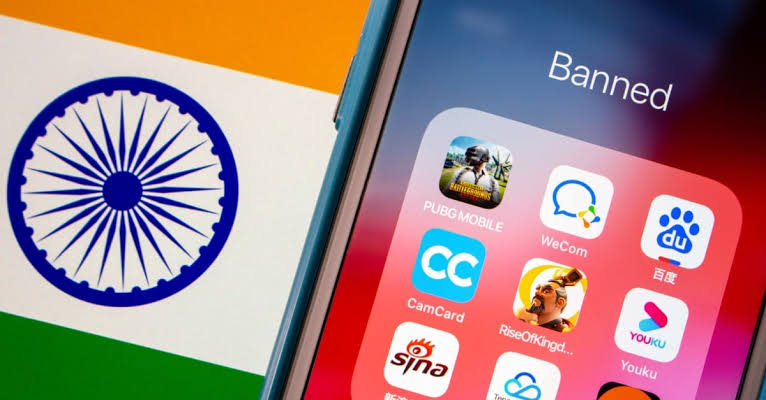
In 2026, governments worldwide have ramped up regulations on mobile applications citing national security, data privacy, child protection, misinformation, and geopolitical tensions. While no universal global ban list exists, major patterns include restrictions on Chinese-origin apps, age-based bans on social media for minors, and crackdowns on gambling and real-money gaming apps. India continues to maintain one of the largest and most stringent ban lists, with hundreds of apps still blocked as of June 2026.
Global Landscape of App Bans in 2026
China’s Great Firewall
China enforces the world’s strictest internet censorship. Major foreign apps blocked include:
- Google services (Gmail, YouTube, Google Maps, Drive)
- Facebook, Instagram, WhatsApp
- X (formerly Twitter), Snapchat, Reddit
- TikTok (international version; domestic is Douyin)
- Many Western news, VPN, and entertainment apps
Age-Based Social Media Bans for Minors
A growing global trend focuses on protecting children from social media harms.
Australia (Nationwide Ban – December 2025)
Under-16s are banned from:
- Facebook, Instagram, Snapchat, Threads
- TikTok, X (Twitter), YouTube (main app)
- Reddit, Twitch, Kick
WhatsApp and YouTube Kids remain exempt. Strict age verification is enforced.
Indonesia (Rollout from March 2026)
Under-16s restricted from:
- YouTube, TikTok, Facebook, Instagram, Threads
- X, Bigo Live, Roblox
Other Countries
Similar restrictions are active or proposed in Malaysia, Slovenia (under 15), Denmark (under 15), France (under 15), UK, Spain, and several US states and Canadian provinces. Common targeted apps include TikTok, Instagram, Snapchat, and Facebook.
TikTok Bans and Restrictions
TikTok remains fully banned in India since 2020 and in around 23 countries including Afghanistan, Pakistan, and Venezuela. In the United States, a potential ban was resolved through divestiture into TikTok USDS in early 2026. Partial bans or investigations continue in multiple nations due to ByteDance’s Chinese ownership.
Apps Banned in India in 2026
Landmark 2020 Ban of 59 Chinese Apps (Still Enforced)
The most prominent list includes:
- TikTok, WeChat, UC Browser, ShareIt, Kwai
- Helo, Likee, YouCam Makeup, Mi Community
- CM Browser, APUS Browser, ROMWE, Club Factory
- News Dog, Beauty Plus, UC News, QQ Mail
- Weibo, Xender, QQ Music, Bigo Live
- Parallel Space, Mi Video Call, ES File Explorer
- Viva Video, Meitu, Vigo Video, DU Recorder
- CamScanner, Clean Master, DU Battery Saver, and many more
Additional Major Bans (2020–2026)
Further rounds targeted clones and additional apps such as:
- AliExpress, Alipay, Lalamove, Snack Video
- CamCard, Soul, TrulyChinese, WeDate
- PUBG Mobile variants and Garena Free Fire clones
Reports indicate over 300–650 Chinese-linked apps have been blocked in total, with 275+ more under review.
Real-Money Gaming and Betting Apps Crackdown (2025–2026)
Under the Promotion and Regulation of Online Gaming Bill 2025, real-money gaming faces severe restrictions. Major affected apps include:
- Dream11, My11Circle, Mobile Premier League (MPL)
- WinZo, Games24x7, RummyCircle, PokerBaazi
- Junglee Rummy and hundreds of fantasy sports/poker platforms
- International betting apps: Betway, Melbet, and thousands of offshore betting platforms
Other India-Specific Bans
- Encrypted messaging apps (Wickr, Threema, Element, IMO, Zangi) in sensitive regions like Jammu & Kashmir
- Certain adult content and streaming apps
Reasons Behind the Bans
- National Security & Data Privacy – Fears of data leakage to foreign governments, especially China.
- Child Safety & Mental Health – Protection from addiction, cyberbullying, and inappropriate content.
- Geopolitical Tensions – India-China border issues and data localization requirements.
- Moral & Economic Regulation – Curbing gambling addiction and promoting local apps (ShareChat, Moj, Chingari).
- Public Order – Preventing misuse for misinformation or terror activities.
Impacts and Challenges
Positive Impacts: Boost to Indian startups, enhanced data security, and better child protection.
Challenges: User inconvenience, increased VPN usage, economic losses for creators, and difficulties in enforcement due to sideloading and app clones.
Future Outlook for 2026 and Beyond
More countries are expected to implement age-verification systems and minor bans. India may conduct further reviews of remaining apps and refine gaming regulations. The global digital ecosystem is becoming increasingly fragmented, with sovereignty and safety often taking precedence over seamless access. Users continue to adapt through alternative platforms and tools.